

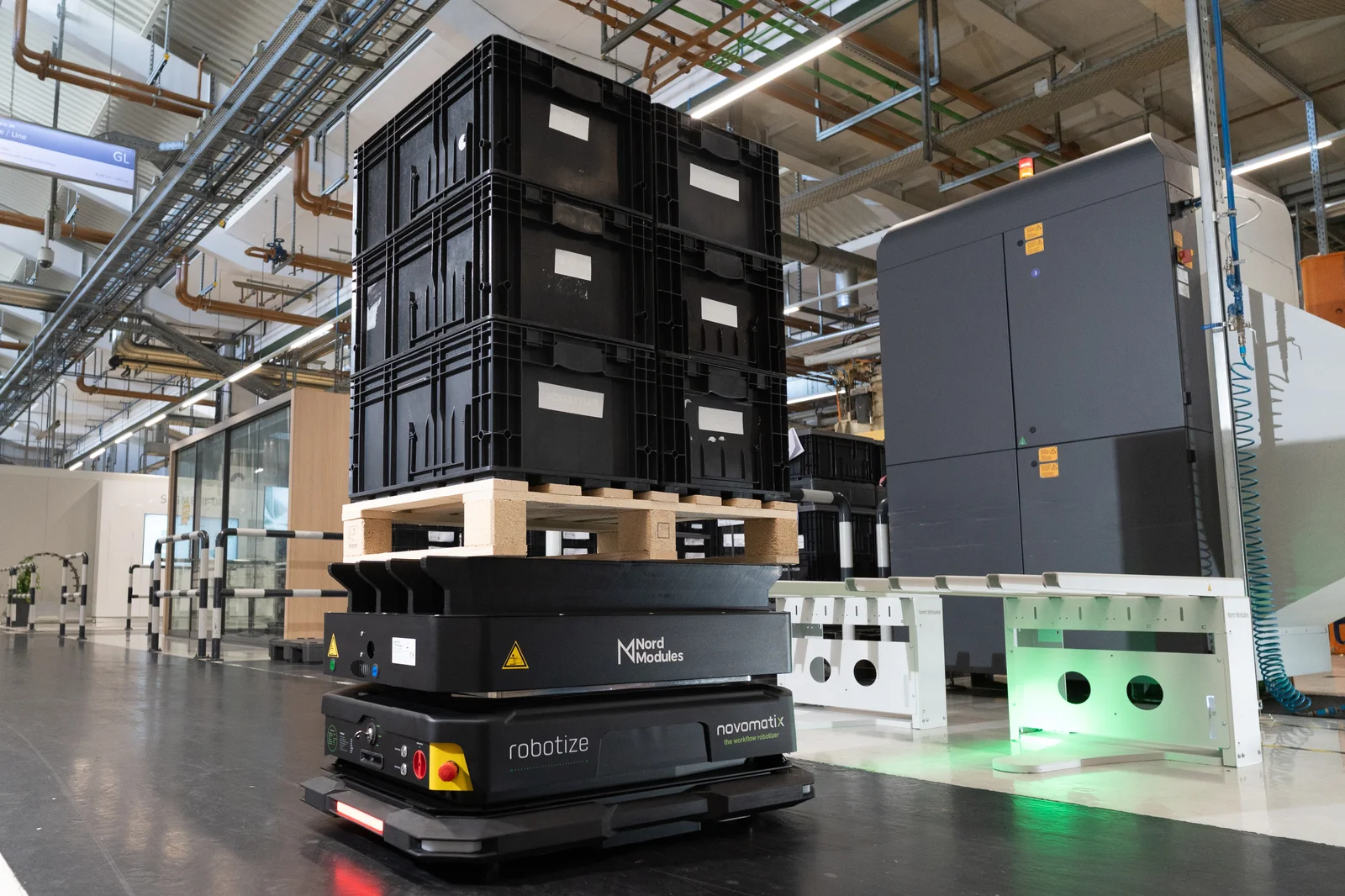
Mobile robots for intralogistics and production

Novomatix integrates AMR and AGV solutions for internal transport, feeding, and transfer flows, and for automating the repetitive movements in the warehouse and in production.

Automotive 3PL Electronics Manufacturing FMCG Pharma Warehousing & logistics
Technical solution portfolio

Core manufacturers in the portfolio

AMR and AGV answer different flow logics. Some projects call for navigation flexibility and quick adaptation in traffic, others for more controlled and more predictable behaviour. The right selection therefore starts from the process, not from the acronym — AMR vs AGV, compared in detail.

The Novomatix portfolio includes manufacturers with different profiles in mobile automation. Each suits a different type of application — from platforms for repetitive transfer through to advanced systems for dynamic flows or stacking at height.

Robotize

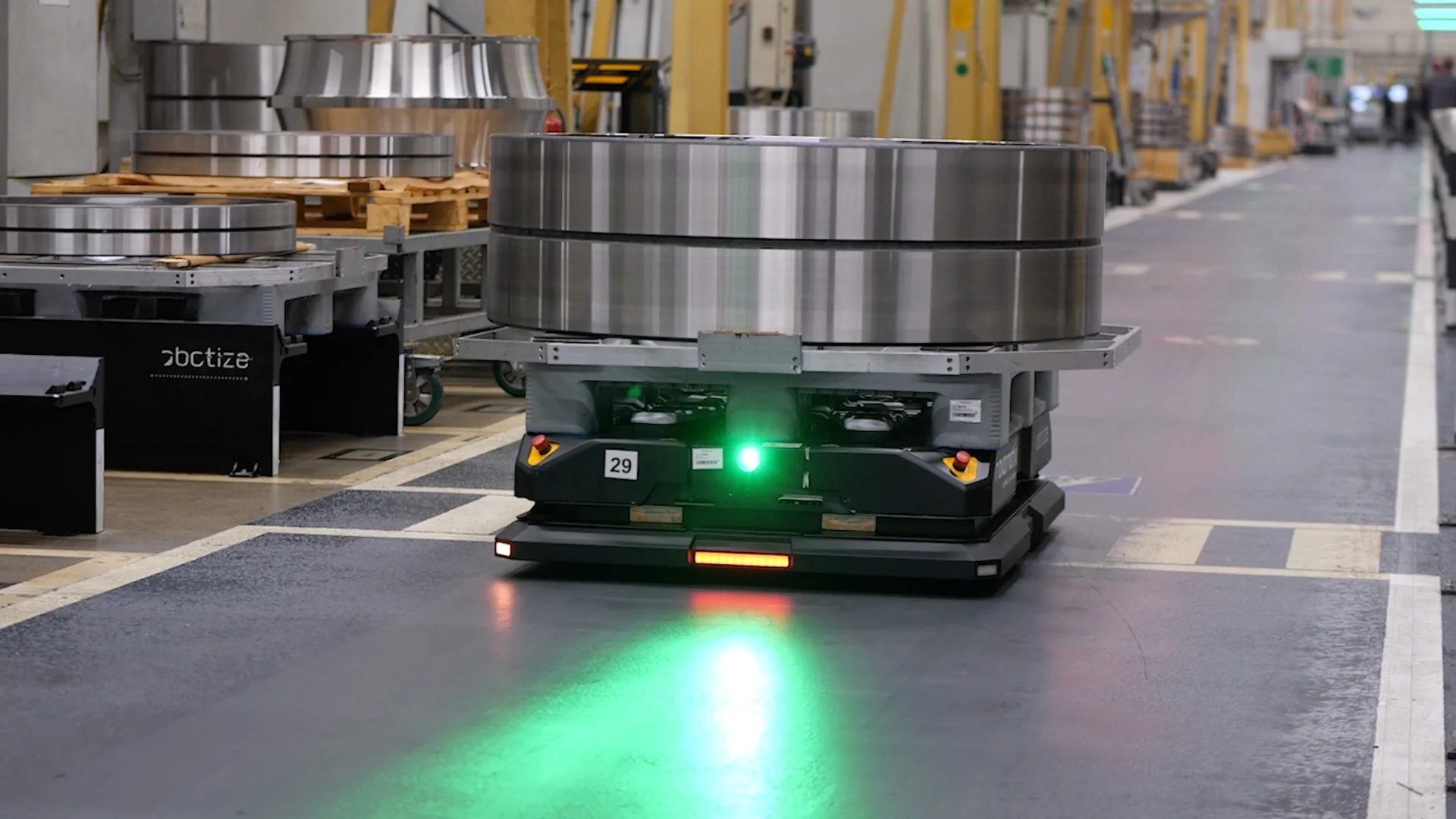
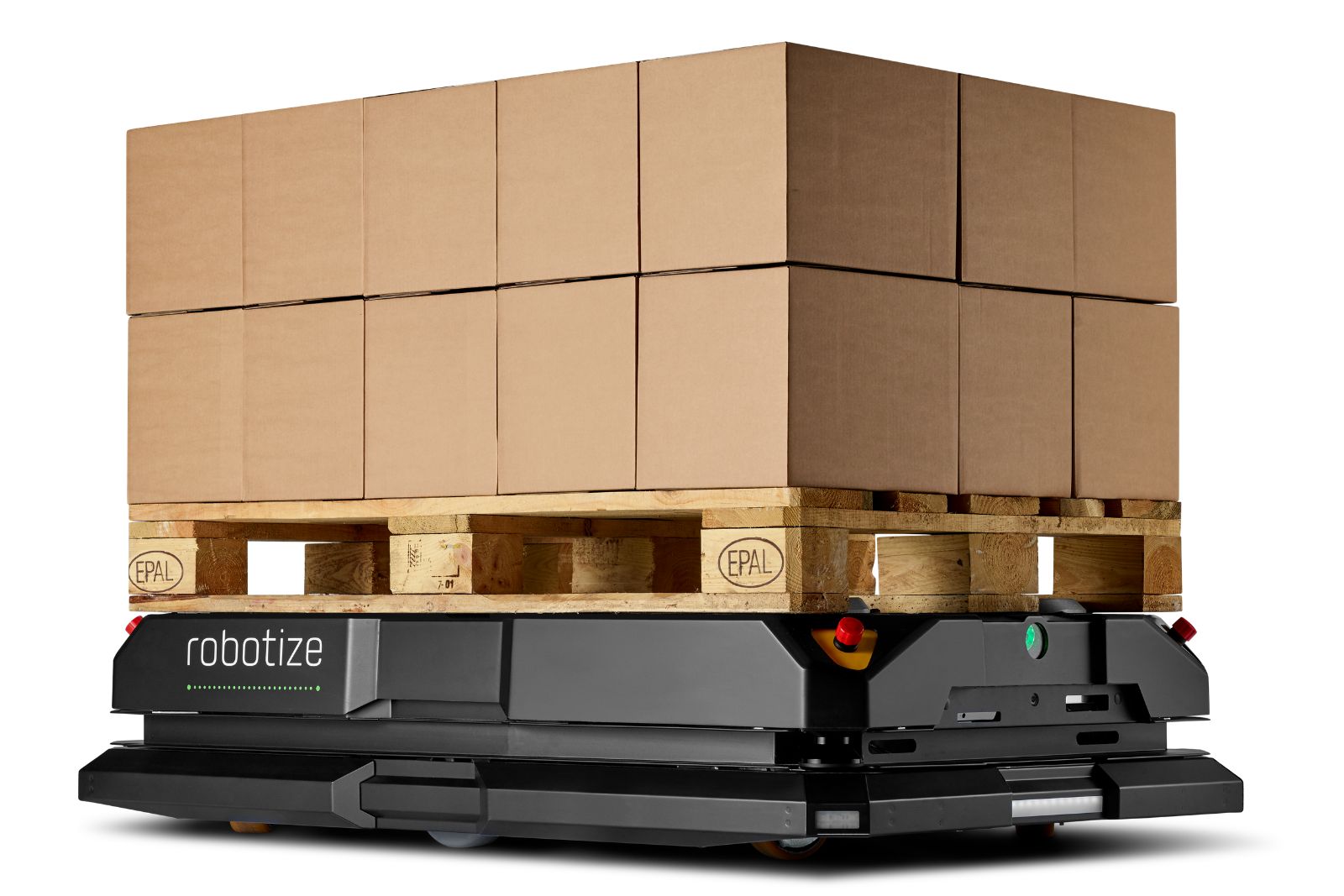
Solutions suited to repetitive internal transport, line feeding, and pallet transport in environments where simplicity and operational robustness matter.

See Robotize

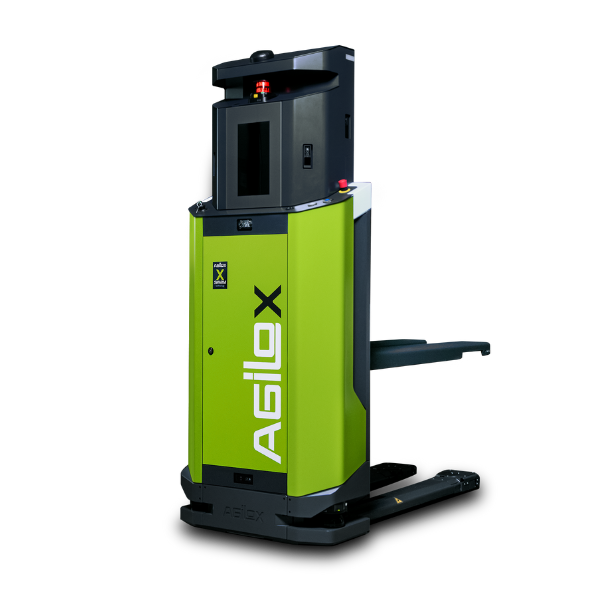
Agilox

An advanced AMR platform for dynamic flows, high flexibility, and scenarios where coordination between vehicles adds clear value.

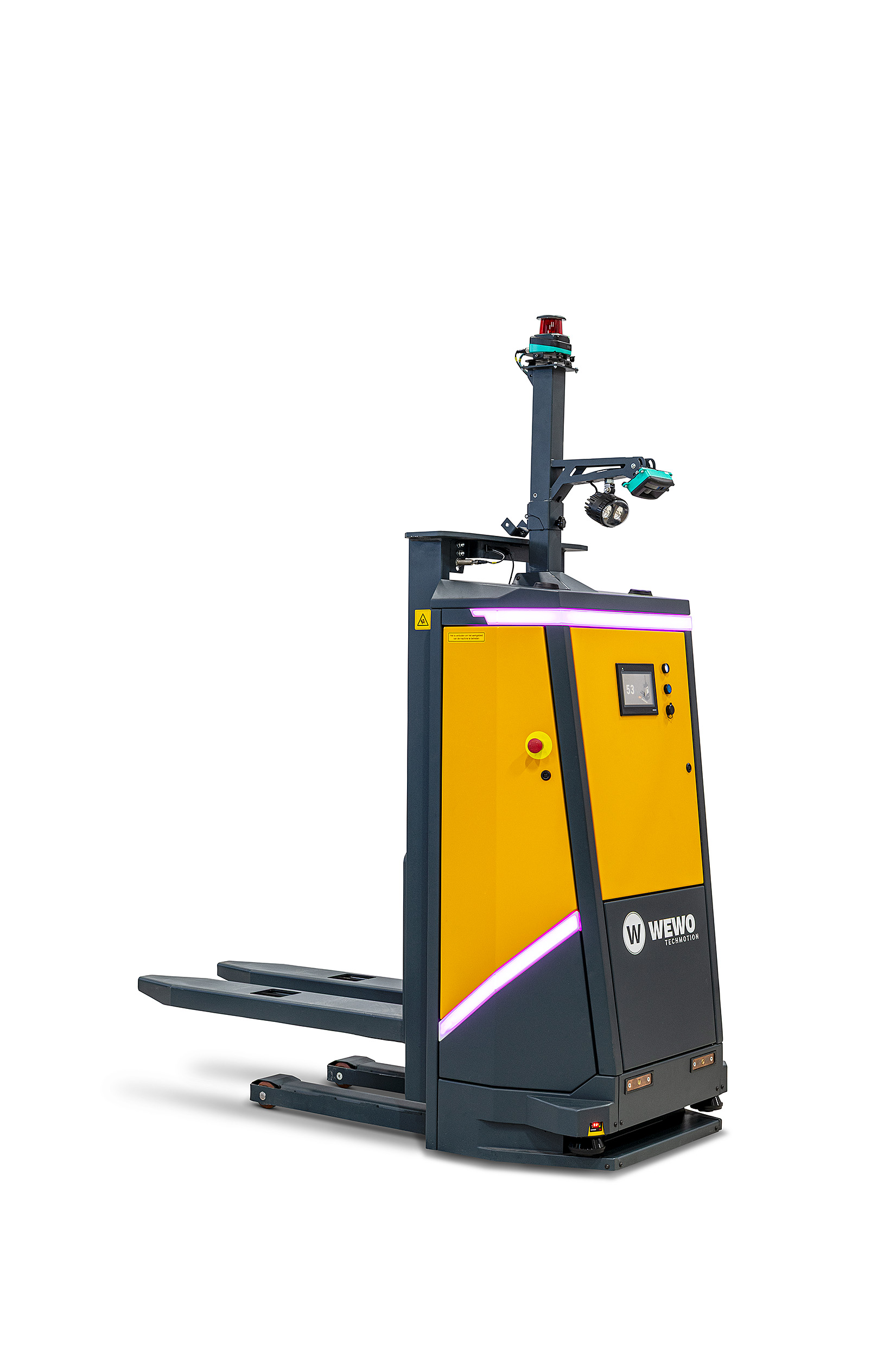
WEWO

A portfolio relevant to platform and fork applications, and to industrial scenarios where the load format and the transfer method decide the solution.

See WEWO

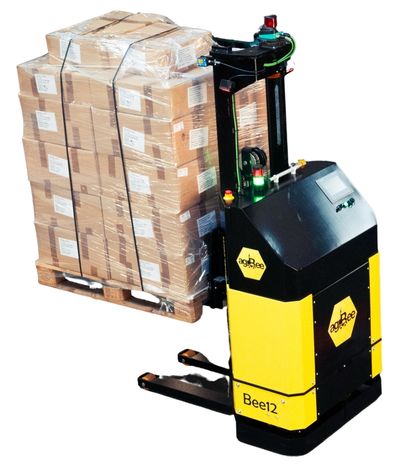
AGBEE

A compact autonomous stacker for floor-to-floor transfer and lifting pallets to approximately 1.7 m, suited to projects looking for more accessible mobile automation.

Flows and processes

Flows and processes we automate

Automation makes sense once internal movement becomes repetitive, time-consuming, or dependent on operator availability. If you already know what moves, from where and to where, start from the flow type or the process that fits your scenario most closely.

Operational flows

Floor-to-floor

Automated transfer between fixed points at floor level, in repetitive production, internal buffer, or dispatch flows.

Floor-to-conveyor

Pickup from the floor and delivery to a conveyor, an automated palletizer, or other transfer interfaces and equipment in the flow.

Floor-to-rack

Transfer to rack, buffer, or staging areas, where positioning accuracy and the robot footprint become selection factors.

Station-to-station

Movement between dedicated pallet stations or between standardized drop-off and pickup points, useful in repetitive, well-defined flows.

Cart handling

Transfer for carts, special frames, or load carriers that fall outside the standard pallet pattern, in specialized applications.

Machine / cell loading

Feeding and pickup for work cells, machines, or process points integrated directly into the production or assembly line.

Operational processes

Receiving and put-away

Moving load carriers from the receiving area to buffer locations, storage, or other intermediate points in the warehouse.

Replenishment

Controlled feeding of buffer or picking areas, to keep the workflow continuous and its rhythm predictable.

Line feeding

Supplying production lines with components, sub-assemblies, or materials at a steady, repetitive, and predictable working rhythm.

Transfer between production stages

Moving materials or work in progress between operations, work cells, and successive stations within the production process.

End-of-line removal

Picking up the finished product at the end of the line and transferring it to the buffer or staging area, or to automated palletizing.

Dispatch preparation

Controlled movement of load carriers to consolidation and staging areas, and to the points where final delivery is prepared.

AMR and AGV mobile robots in an operational context in the warehouse and in production
OPERATIONAL CONTEXT

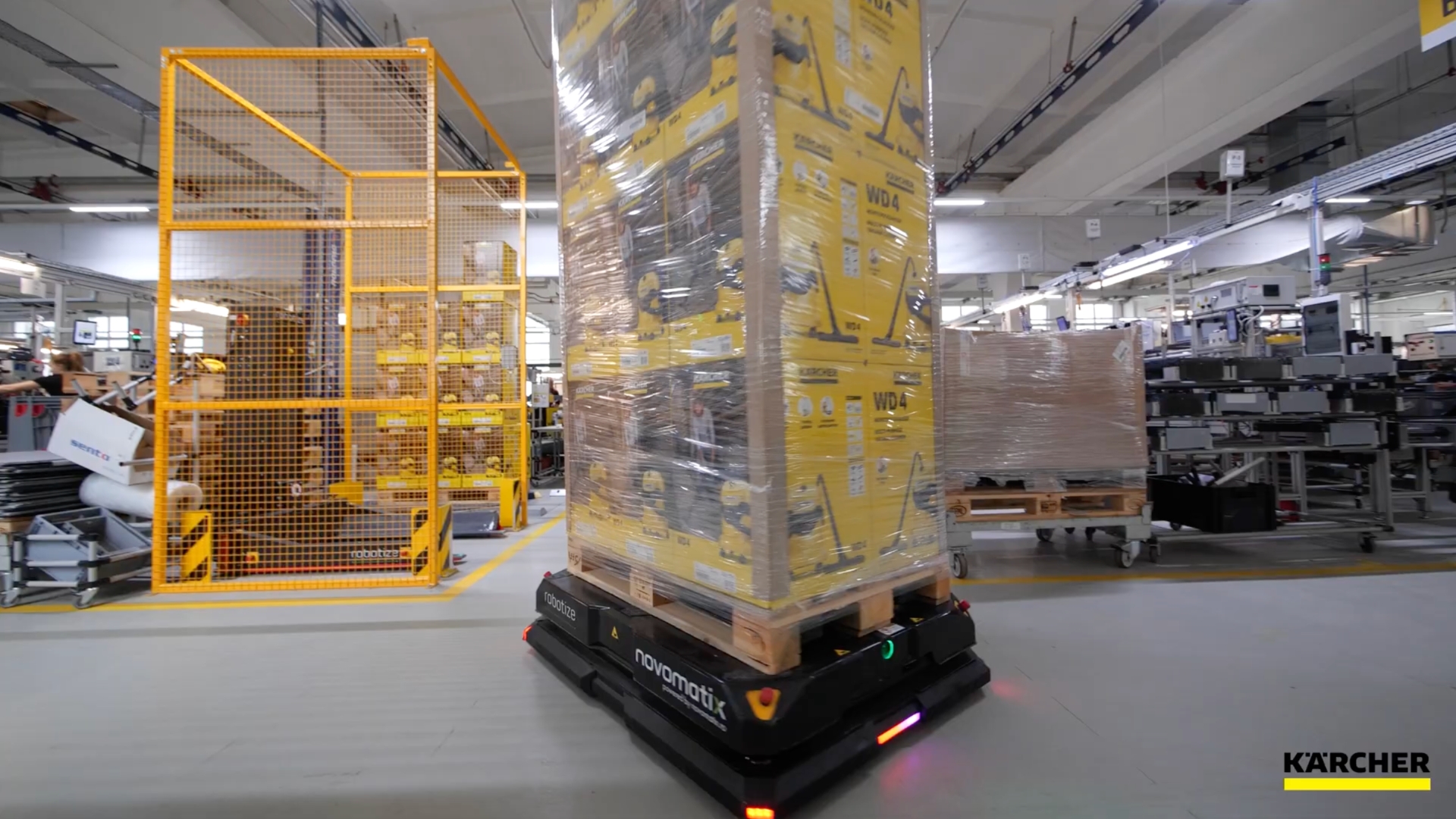
Mobile automation has to be designed around the real flow

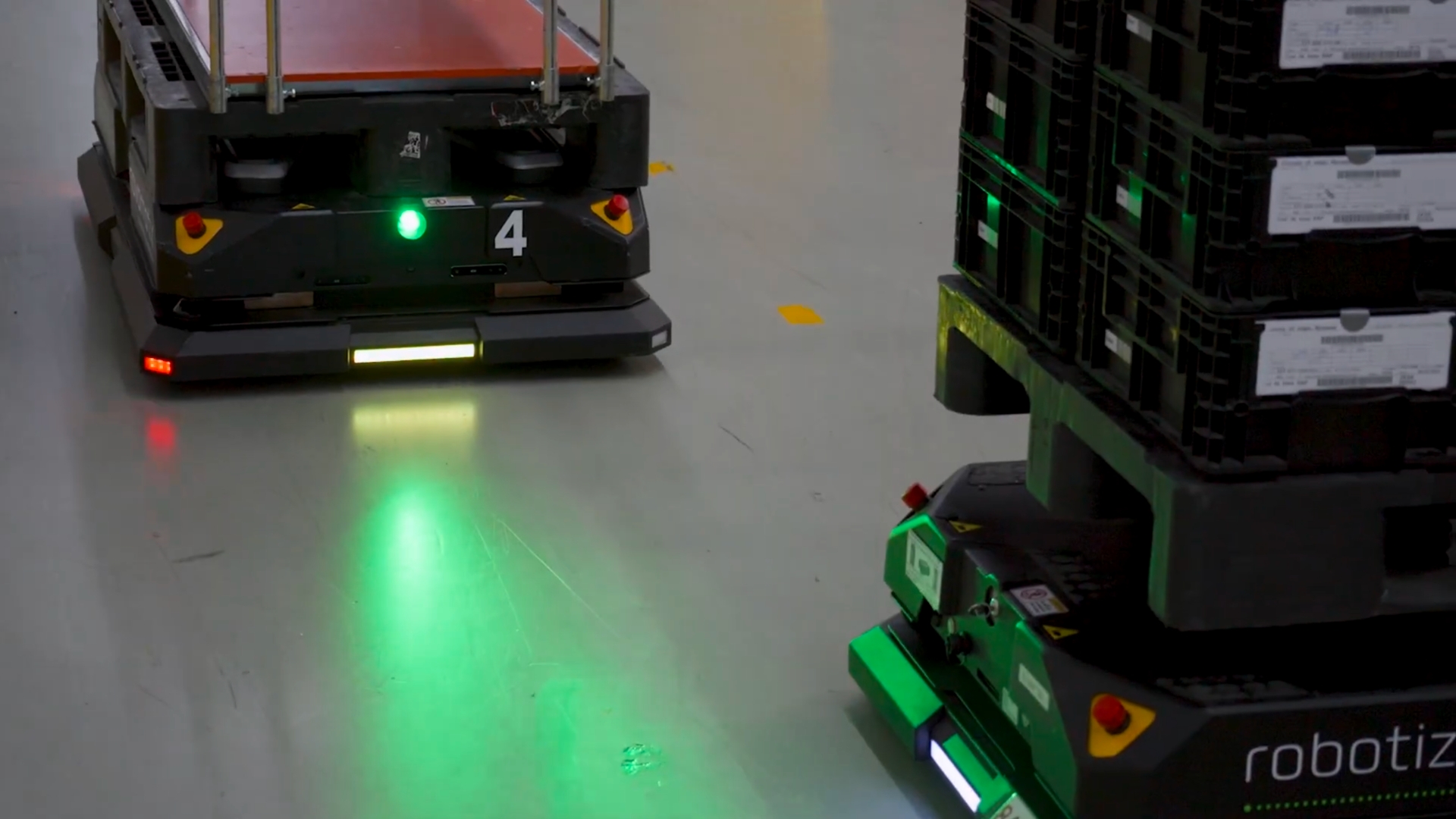
A mobile robot operates in an environment where its routes cross pedestrian traffic and other equipment, where pickup and drop-off points carry different physical constraints, and where the working rhythm varies by shift, season, or order.

  • the pickup and drop-off points define the right transfer type
  • the layout and the mixed-traffic areas shape the choice of solution
  • correct integration reduces operational variability and improvisation
  • scaling is easier when the process is thought through from the start
SOLUTION SELECTION

How to choose the right AMR/AGV solution

Not every mobile robot suits every flow. The right selection starts from the process, not from the product. We therefore always assess the application by its pickup method, its load, the manoeuvring space, and the integration requirements.

Load pickup and drop-off

The first criterion is how the robot takes and releases the load: from the floor, from a station, from a conveyor, from a rack, or from a standardized intermediate point.

Load geometry, weight, and format

The dimensions of the load, its height, its stability, and its mass directly influence the type of robot, the ground clearance, the fork or platform type, and the dynamics of the movement.

Layout, aisles, and traffic

Aisle width, intersections, pedestrian areas, high-speed doors, lifts, and pinch points change the choice of solution and the operating rules substantially.

Integration, traffic, and safety

A good project is not only the right robot, but also the way it works with operators, with the surrounding equipment, and with the software systems already in place.

THE INTEGRATOR'S ROLE

What Novomatix delivers beyond the robot

The value of an AMR/AGV project lies not only in the equipment, but in how it is integrated into the operation. Novomatix delivers complete projects, from selecting the solution through to commissioning and later scaling.

Assessment and solution selection

We assess what is transported, how often, over what distance, and under what layout and traffic conditions, in order to identify the platform and configuration that cover the application without oversizing it.

Flow integration and operating logic

We configure how the robots connect to stations, conveyors, buffers, and existing processes. Where the project calls for it, we define the rules for traffic, dispatch, prioritization, and coordination between several vehicles.

Safety, commissioning, and scaling

We approach the project with a focus on safe operation and a controlled introduction into production or the warehouse. We build projects so they can evolve in stages, from an initial application to further flows or areas.

OPERATIONAL BENEFITS

What you gain by automating internal transport

Automating with mobile robots is not simply replacing a manual movement. It means better control over the flow, less operational variability, and a better basis for scaling.

A more predictable flow

Repetitive transport becomes easier to plan, to monitor, and to fit into the operational rhythm of the warehouse or the production floor.

Less dependence on manual transport

Operators can focus more on higher-value work, and repetitive internal movements are standardized more consistently.

Scaling in stages

Many projects can start with one clear use case and extend later, according to results and priorities.

Cleaner integration into the operation

When the project is designed properly, mobile robots become part of the operational system rather than an isolated element bolted onto the process.

SUPPORT, SERVICE, AND CONTINUITY

AMR/AGV also means support after go-live

Performance in operation does not depend on the robot alone, but on how interventions, planned maintenance, and safety checks are handled. Our services page sets out how we approach operational support for AMR/AGV projects.

  • Structured diagnostics and interventions
  • Planned maintenance and safety checks
  • Support for extension and optimization after go-live
See services
FREQUENTLY ASKED QUESTIONS

Quick answers about AMR/AGV mobile robots

Do you have an internal flow you want to automate?

Tell us which internal transport you want to improve, what kind of load you handle, and the context you operate in. We will propose the right direction for your process.

Talk to a specialist