

Intralogistics automation.
Performance integration.
We implement mobile robots (AMR/AGV), end-of-line automated palletizing, storage systems, and warehouse and production automation, integrated end-to-end for safer, more stable flows with an economic case built on the application.
We automate the flows that matter
From internal transport and line feeding through to automated palletizing and integration into the existing process, we choose the right configuration for the application and for the real constraints on site.
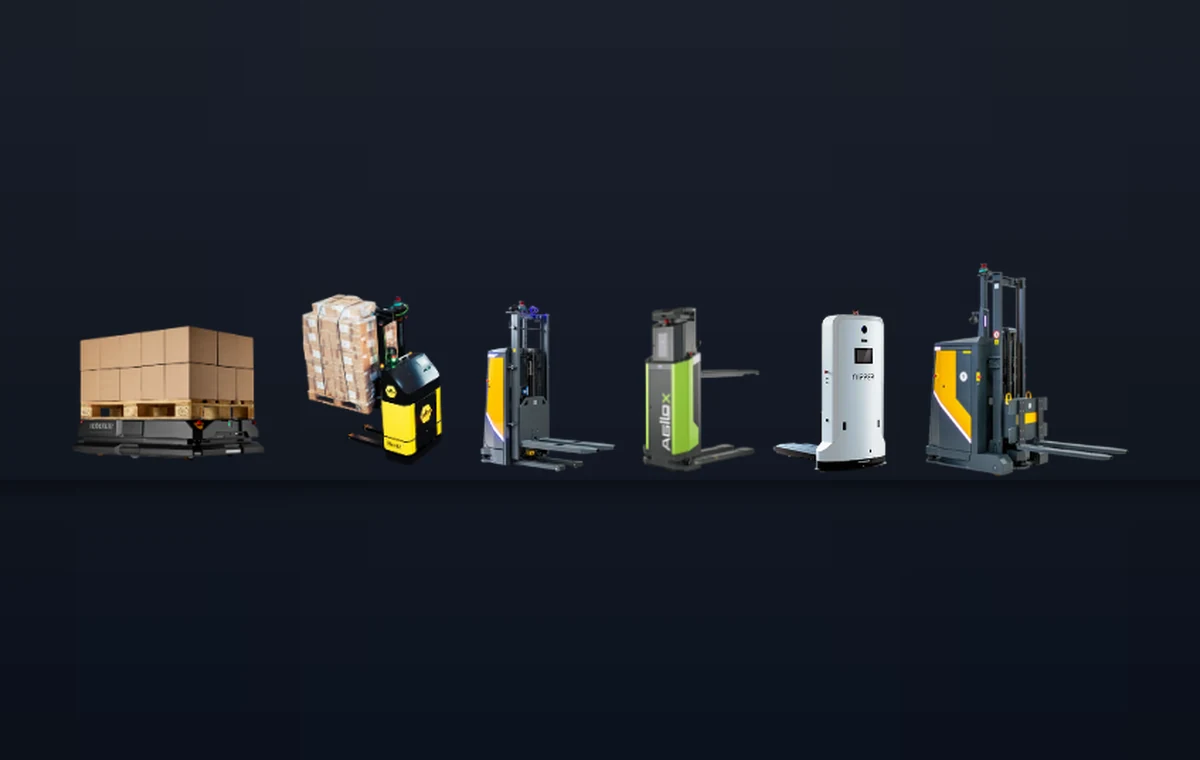
Mobile robots
AMR/AGV solutions for internal transport, line feeding, and repetitive flows in the warehouse and in production.
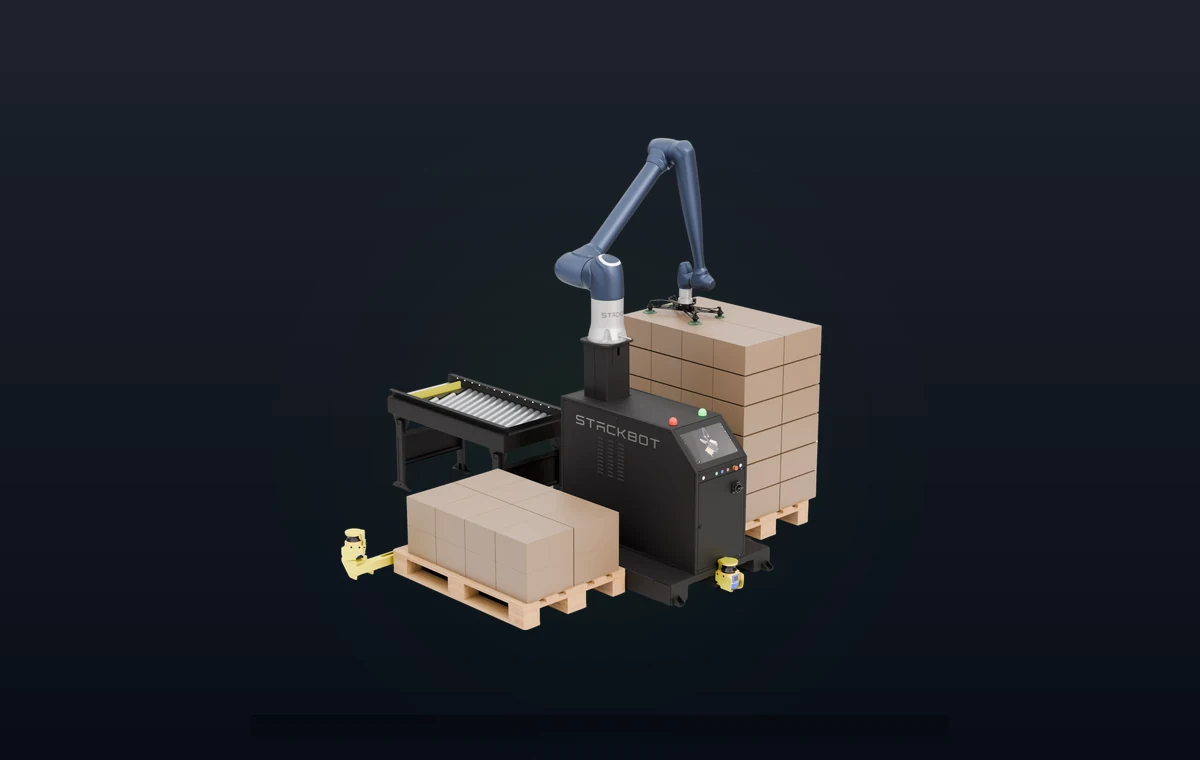
Automated palletizing
Stackbot for automating the palletizing step at the end of the line and in production.
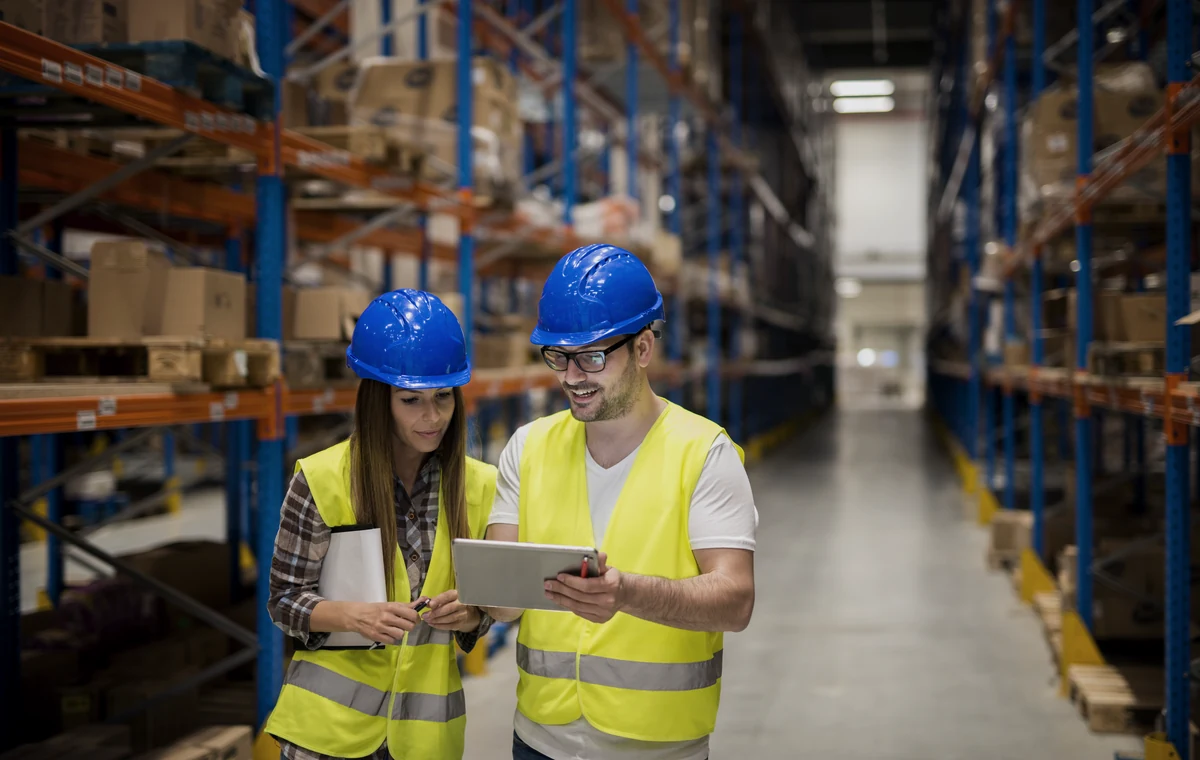
Services
Flow assessment, technology selection, implementation, integration, and support for projects that need a full partner rather than an equipment supplier.
Automation designed as a system, not as separate machines
Novomatix is a systems integrator for automating intralogistics flows in production, warehousing and distribution centres. We start from the flow itself, and treat technology selection, system integration and commissioning as one decision.
Carefully calibrated technical selection
We choose the solution according to the load carrier, the transfer points, the layout constraints, and the operational objectives of the application.
Integration with existing systems
We connect the automation to the processes, working rules, and systems already in use, so the implementation stays controllable and straightforward to administer.
Commissioning and stabilization
We validate operation on site, adjust the parameters, and prepare day-to-day use, so the solution enters the operational routine naturally.
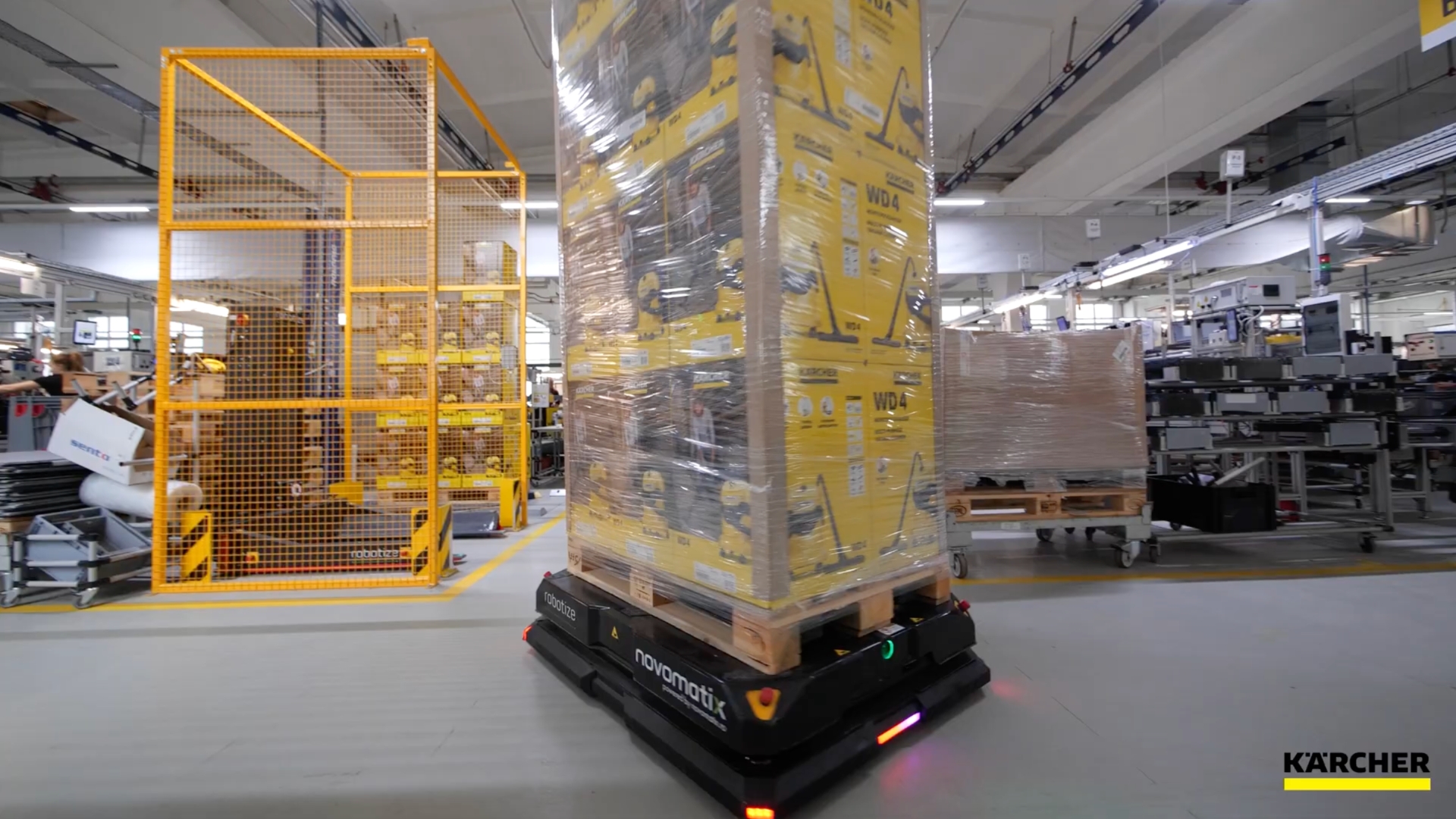
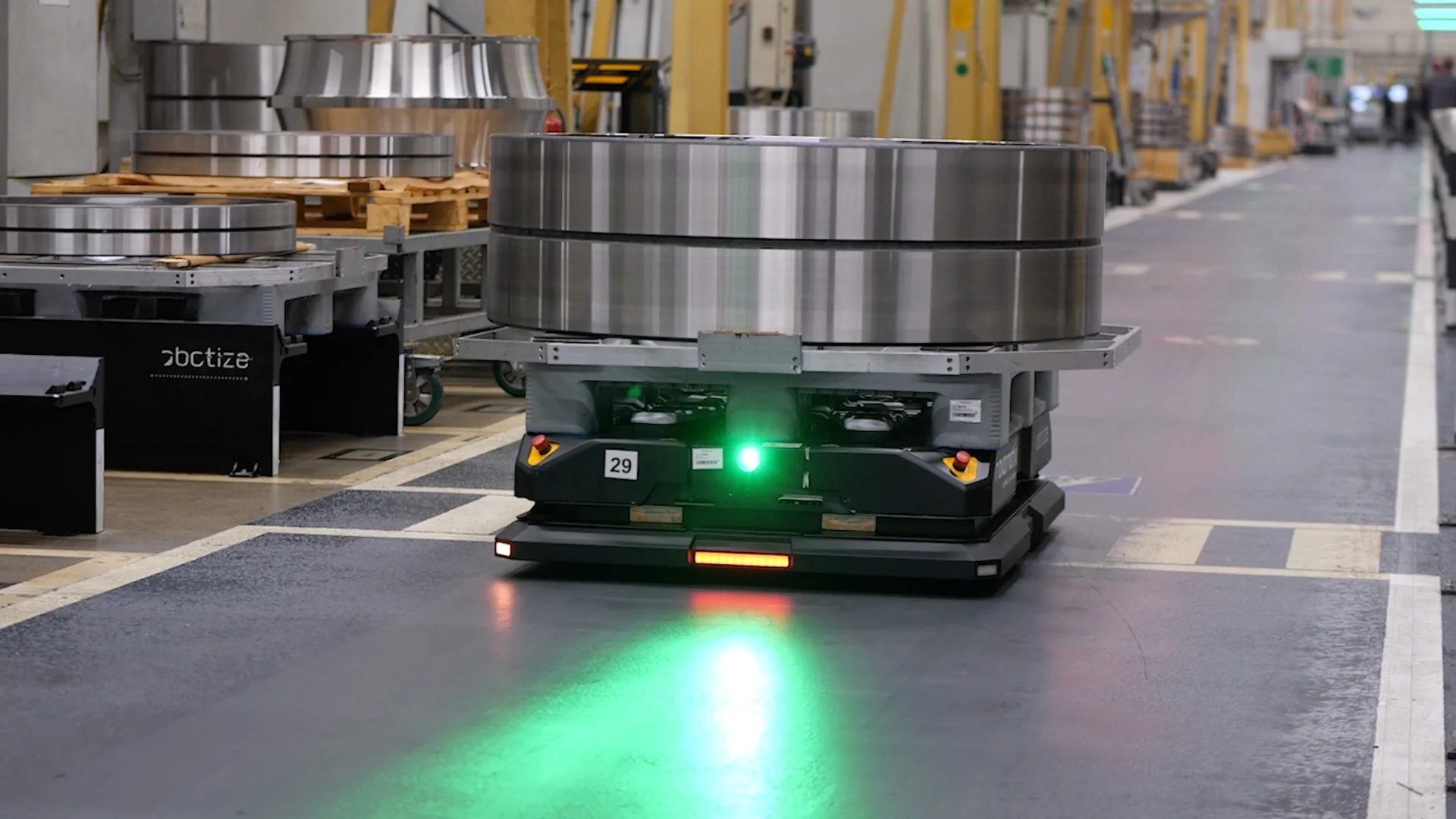
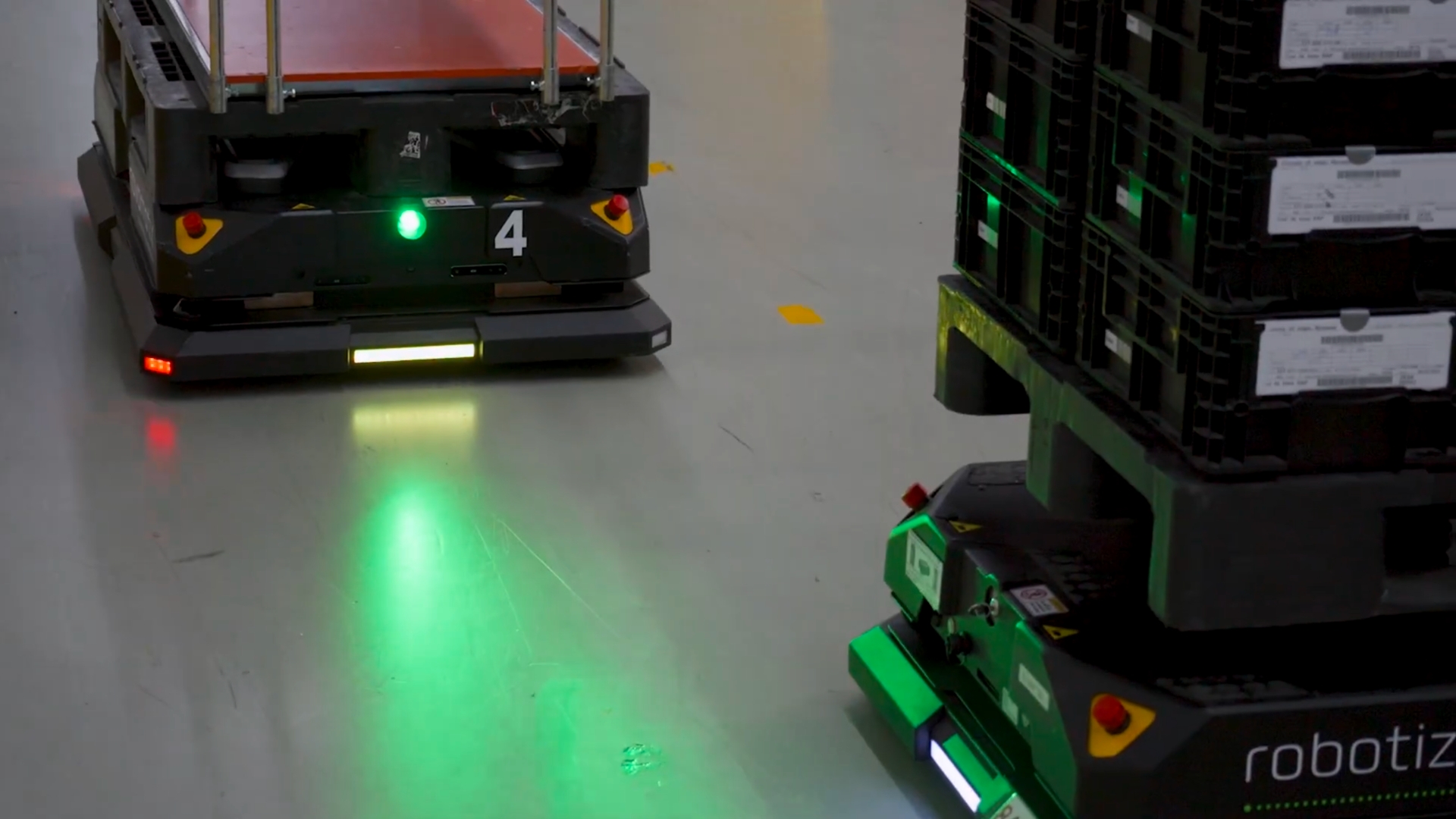
AMR/AGV implementations in production and intralogistics
Three Novomatix implementations in different industrial contexts — from internal transport and line feeding through to orchestrating flows across dozens of routes.
Automation starts with the flow,
not with the equipment
Before choosing a technology, we look at the transfer points, the load carrier, the operational rhythm, and the constraints that show up in practice. That is where the choice of a configuration begins — one that can be put to work coherently in production, in the warehouse, or at end-of-line.
We identify the critical flow
We find where repetitive movements, bottlenecks, unpredictability, or lost time show up in the operation.
We choose the right configuration
We establish whether the project calls for mobile robots, automated palletizing, or a combination suited to the application.
We connect the solution to the operation
We define the interfaces, the working rules, and the link to existing systems, so the implementation makes operational sense.
More on the approach, the stages of a project, and how we work: Novomatix services.
Solutions for production, warehousing, and intralogistics
Automation does not look the same in every environment. In some cases what matters is line feeding, in others internal transfer, end-of-line palletizing, or the link between production, buffer, and dispatch.
Automotive
Rhythmic flows, line feeding, movements between stages, and better control over internal transfers.
3PL / Logistics
Repetitive movements between receiving, buffer, storage, and outbound, with high demands on operational clarity.
FMCG / Food & Beverage
Steady rhythm, palletizing, and continuity between production, packaging, and dispatch.
Electronics
Precise handling, controlled flows, and high demands on predictability.
Pharma
Operational discipline, traceability, and controlled handling in sensitive areas.
Novomatix has delivered automation projects for companies including Schaeffler, Lear Corporation, Harting Automotive, and Marquardt Schaltsysteme — across production, intralogistics, and distribution centres, with autonomous mobile technologies and systems integrated into complex operational flows.
Automation projects delivered for companies including
Shall we look at where automation makes sense in your flow?
We start from the process, the transfer points, and the constraints in the operation, then choose the right technical configuration for production, intralogistics, or end-of-line.
Talk to a specialist